
 By Waconia Comed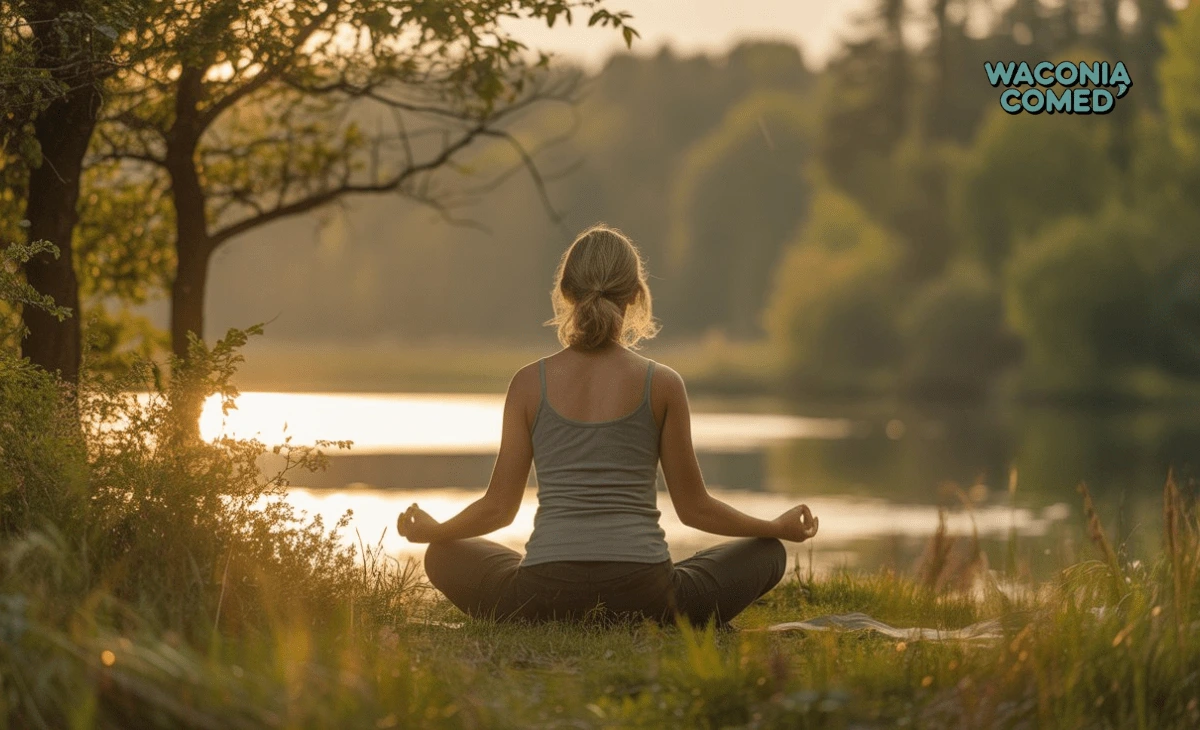
In today’s fast-paced world, finding a moment of stillness feels like chasing a mirage. Stress, distractions, and constant noise pull us away from ourselves. Here, the ancient practice of antarvafna emerges as a guiding light, a meditative process that helps one turn inward, explore the depths of the mind, and connect with the core self. Rooted in mindfulness and introspection, it offers a holistic approach to mental clarity, emotional stability, and spiritual growth.
By understanding its meaning, benefits, and method, you can transform it from a concept into a life-changing habit. Let’s explore why antarvafna isn’t just another meditation technique, but a journey into your inner world.
What is Antarvafna?
Antarvafna is a Sanskrit-inspired term that combines “antar” (inner) and “vafna” (reflection or observation). It is the practice of turning one’s attention inward, consciously observing thoughts, feelings, and sensations without judgment. Unlike general meditation that may focus on breath or mantras, it emphasizes self-reflection and mindful observation of the mind’s movements.
It’s a practice often used in yoga, spiritual traditions, and mental wellness programs to develop inner clarity, reduce stress, and enhance emotional intelligence. The goal is not to empty the mind, but to witness it with awareness.
Why Antarvafna Matters for Mental and Emotional Health
In a time when external distractions dominate, the ability to look within becomes a superpower. Antarvafna offers:
- Emotional balance by recognizing triggers and understanding them before reacting.
- Clarity of thought through regular reflection and reduced mental clutter.
- Spiritual growth by deepening self-awareness and breaking habitual thinking patterns.
Research in mindfulness practices shows that self-observation techniques reduce anxiety, improve focus, and increase resilience. It embodies these principles in a deeply personal way.
Core Benefits of Antarvafna
Improved Self-Awareness
Regular antarvafna practice helps you understand your patterns, strengths, and weaknesses, allowing you to make better choices in daily life.
Reduced Stress and Anxiety
By learning to observe thoughts without attachment, you weaken the mind’s tendency to overreact to situations.
Better Emotional Regulation
Noticing emotions in their early stages gives you control over how you respond, rather than letting feelings control you.
Enhanced Focus and Creativity
When mental noise reduces, creative thinking and problem-solving improve naturally.
Greater Spiritual Connection
It can be a bridge between the conscious and subconscious mind, helping you connect with your higher self.
How to Practice Antarvafna Step-by-Step
Antarvafna doesn’t require special equipment or complex rituals. All it needs is a quiet space and an open mind.
Find a Comfortable Space
Choose a peaceful environment, free from distractions. Sit comfortably, either on a chair or on the floor.
Close Your Eyes and Breathe Deeply
Start with a few deep breaths to calm your mind and body.
Observe Without Judgment
Let your thoughts come and go. Instead of stopping them, notice their nature, origin, and emotional tone.
Label Your Thoughts Gently
If you notice anger, label it “anger.” If you notice planning, label it “planning.” This creates distance between you and your thoughts.
Stay for 10–20 Minutes
With regular practice, extend your sessions. The key is consistency over duration.
Antarvafna in Daily Life
You don’t need to limit it to a meditation cushion. You can integrate it into daily activities:
While commuting, notice your thoughts instead of scrolling your phone.
Before responding to an email, pause and observe your emotions.
At bedtime, reflect on your day without self-criticism.
Such moments turn everyday experiences into opportunities for self-awareness.
Challenges in Practicing Antarvafna
While the benefits are profound, beginners may face hurdles:
Restless Mind
In the beginning, thoughts may feel overwhelming. Accept this as part of the process.
Impatience for Results
Antarvafna works slowly, rewiring mental habits over time.
Self-Criticism
Many judge themselves for “failing” at meditation. The goal is observation, not perfection.
By acknowledging these challenges, you build resilience and strengthen your practice.
Real-World Examples of Antarvafna in Action
Corporate Leaders using self-observation to make thoughtful business decisions.
Artists and Writers tapping into deeper creative insight.
Therapists incorporating antarvafna-inspired techniques in counseling sessions.
These examples show that it is not bound to a single lifestyle; it adapts to anyone seeking inner clarity.
Tools and Resources for Antarvafna Practice
Meditation Apps like Insight Timer or Headspace (customize sessions for self-observation).
Journaling to record observations after each session.
Guided Recordings available in mindfulness and yoga communities.
Antarvafna for a Healthier Lifestyle
When combined with healthy eating, exercise, and good sleep, antarvafna amplifies overall wellness. By reducing stress, it indirectly supports heart health, improves digestion, and strengthens immunity.
Tips to Deepen Your Antarvafna Practice
- Start small, even with five minutes daily.
- Use a gentle timer to avoid distraction.
- Pair it with breath awareness for a calmer entry.
- Reflect after sessions to track personal growth.
Antarvafna and Spiritual Growth
For those on a spiritual path, it becomes a mirror to the soul. It helps in detaching from ego-driven desires and connecting with a sense of purpose and unity with the world.
Common Myths About Antarvafna
You need to stop all thoughts — In reality, the practice is about observing, not controlling.
It’s only for spiritual people — Anyone can benefit, regardless of belief.
It takes hours to work — Even short sessions can be effective.
FAQs
What is the meaning of antarvafna?
It means inner observation or reflection, focusing attention inward to understand one’s thoughts and emotions.
How often should I practice antarvafna?
Daily practice, even for 10 minutes, can bring noticeable benefits.
Is antarvafna the same as mindfulness?
They share similarities, but antarvafna specifically emphasizes self-reflection.
Can antarvafna help with anxiety?
Yes, it helps by creating distance from anxious thoughts, reducing their control.
Do I need a teacher for antarvafna?
A teacher can guide, but self-practice is possible with basic understanding.
How long before I see results from antarvafna?
Most people notice changes in awareness and calmness within a few weeks.
Conclusion
Antarvafna is more than a meditation method; it’s a path to self-discovery and mental freedom. In a chaotic world, turning inward provides the balance and clarity we desperately need. Whether you seek better emotional control, deeper creativity, or spiritual connection, it can be your companion.
Start small. Stay consistent. And most importantly, be kind to yourself during the journey.